What to Consider When Choosing a Power Tool Supplier
Product Line & Rise of Cordless Tools
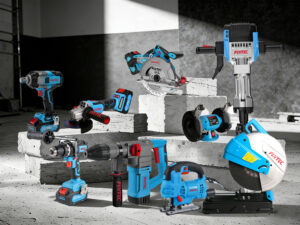
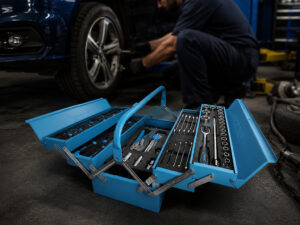
If you intend to make a steady investment in the power tool business, it is advisable to select a supplier with a comprehensive product range. A broad product line ensures that you can effectively expand and grow your business; therefore, you should choose a supplier capable of providing a one-stop solution. This type of power tool supplier can provide you with a wide variety of power tools—including popular, mainstream items such as electric drills, rotary hammers, impact drills, angle grinders and circular saws—as well as complementary accessories. Furthermore, they can even supply the hand tools designed to be used in conjunction with these power tools. By offering this combined range of power and hand tools, they enable you to cater to a broader spectrum of applications, thereby helping you expand your customer base in the future. This comprehensive approach also fosters a more suitable foundation for a long-term partnership, saving you the time and effort you would otherwise spend searching for additional suppliers later on; indeed, a stable collaborative relationship may even present opportunities to reduce your overall procurement costs.
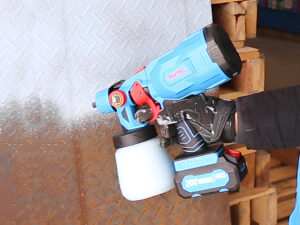
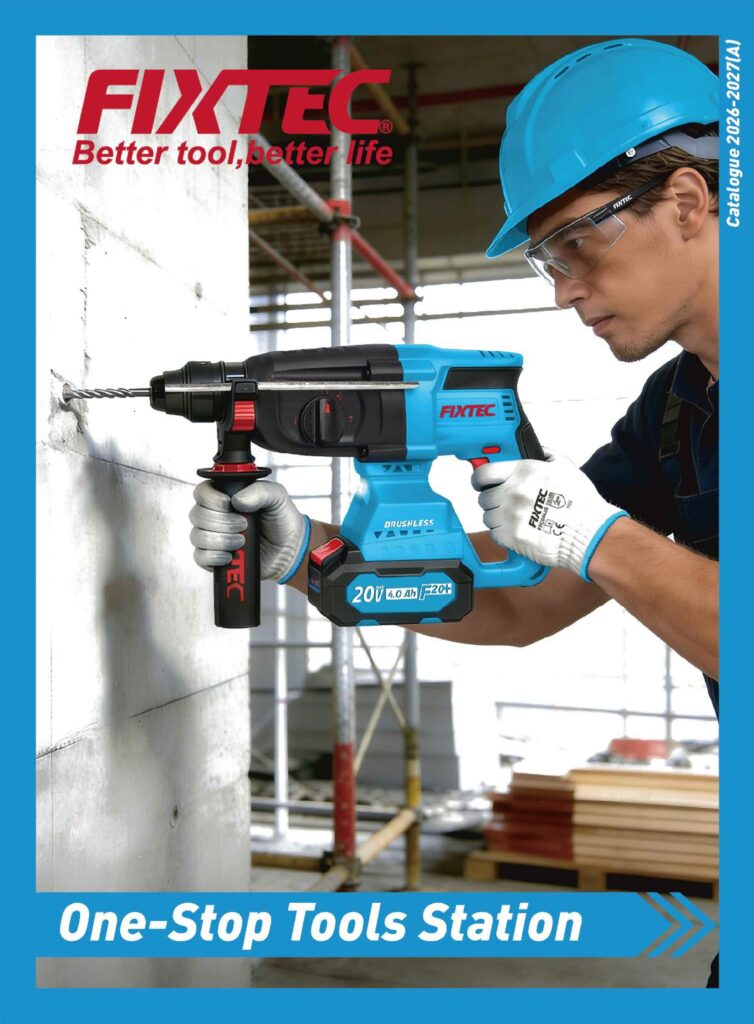
In addition to an extensive product line, you must also take into account current market trends in power tools—specifically, the rise of cordless power tools. Virtually every power tool supplier on the market today offers a cordless product series, as doing so is essential to meeting market demand. However, what you should focus on even more is whether they possess a comprehensive system of cordless power tools. Factors to consider when selecting a power tools supplier include whether their tools feature brushless motors, whether they are continuously expanding their cordless product range, and—crucially—whether their batteries offer cross-compatibility, allowing a single battery pack to power multiple different power tools. Furthermore, you should evaluate the functionality of their battery packs—such as built-in overload protection—as well as their overall runtime performance; these are all critical factors to weigh when choosing a power tool supplier. A mature ecosystem of cordless power tools and stable tool performance directly impact your customer experience, ensure your ability to remain competitive in the local market, and influence your sales figures.
Quality & Certifications
Another primary consideration is product quality—but how do you verify it? You can ask the supplier if they provide samples, allowing you to personally test the product’s quality and performance firsthand. Furthermore, you must confirm whether the power tools you intend to order possess the necessary certification credentials to be legally sold in your specific local market, and whether they support the certification standards of various countries. For instance, if you are targeting the European or Middle Eastern markets, you should look for CE certification; UL or ETL certificates are applicable to the North American market, among others. It is also crucial to inquire with the supplier regarding shipping certifications for the lithium-ion batteries; this is a mandatory requirement that directly determines whether your power tools can be legally exported and transported.
You can also inquire with suppliers whether they have a comprehensive tool testing system in place. Most power tool suppliers maintain their own QA and QC teams; ask them if they conduct product quality inspections—such as performance testing, drop testing, and load testing—and, if necessary, request relevant test videos to verify their quality.
Private Label Growth
If you prefer not to invest in power tools from other brands but instead wish to expand your own brand presence, the key factor to consider is whether the supplier offers OEM and ODM services. Such power tool suppliers can assist you throughout the entire tool customization process—going far beyond merely printing your brand logo on the product. These customization processes encompass: product appearance design; packaging design (including multi-language product manuals and color box design); logo design; and product configuration (such as power tool kits and varying power specifications). Furthermore, an power tool supplier offering ODM services possesses its own R&D team, enabling them to meet your unique requirements regarding product performance—for instance, by developing an entirely new product specifically tailored to your market needs, or by modifying the structural design or functionality of existing products. These comprehensive customization services can help you stand out in your local market, establish a distinct competitive edge, and significantly enhance your overall competitiveness.
Flexible MOQ
If you are investing in the power tool business for the first time, it is advisable to clarify the Minimum Order Quantity (MOQ) with your suppliers, as MOQs can vary significantly from one vendor to another. For newcomers and distributors unfamiliar with this industry, the preferred choice should be suppliers offering flexible or low MOQs. This approach facilitates testing market reception and helps alleviate inventory pressure. Once you have established strong local sales and built a solid customer base, you can then proceed to place larger, bulk orders. Furthermore, some power tool suppliers support mixed-order purchases, which can help you quickly stock your local market, reduce risk, and increase competitiveness. Mixed ordering enables strategic product bundling; for example, you can divide your inventory into professional-grade and entry-level categories. Selling these things in bundles not only increases their overall appeal, but it also allows you to raise your average transaction value.
Delivery Lead Time
Another key factor in determining whether a supplier is a reliable supplier of power tools is their delivery lead time. If a supplier consistently delays deliveries, it can lead to customer attrition, erode trust, and ultimately result in reduced sales. Typically, for standard—rather than customized—products, if the supplier maintains sufficient stock and possesses all necessary certifications, the delivery timeframe can be as short as 7 to 14 days. For OEM orders, the lead time generally ranges from 30 to 60 days (encompassing the entire process from sample prototyping to production and quality inspection); ODM orders typically require an even longer lead time.
As a result, it is critical to establish delivery lead times with your suppliers ahead of time and plan to place orders ahead of schedule to maintain appropriate inventory, especially during peak and off-peak season transitions. Concurrently, you should give your suppliers a suitable amount of manufacturing time; this helps to avoid delivery delays, variable product quality, and even harm to your long-term collaborative partnership caused by last-minute changes or urgent rush orders. Long-term, a consistent delivery rhythm not only improves customer happiness but also strengthens your trust in the distribution channel, encouraging customers to place repeat purchases and fostering deeper collaborative collaborations.
Brand Support
Currently, in addition to offering comprehensive product lines and ensuring high-quality standards, many power tool suppliers have begun to adopt differentiated strategies regarding brand marketing support. As a distributor or importer, if you wish to streamline your operations while maintaining strong competitiveness, consider selecting power tool brands that possess significant brand recognition and provide promotional materials free of charge. If you are an offline retailer, most power tool suppliers will also provide tool display stands, promotional banners and flags, and even materials such as branded small gifts and shopping bags.
Another form of brand support is this: if you intend to pursue a long-term partnership—or even aspire to become the brand’s exclusive local agent once you have successfully established and expanded your business in the area—you must seek out a supplier willing to grant territorial exclusivity to prevent destructive competition.
After-Sales Support
You should also choose a power tool supplier with a strong after-sales support network. Such suppliers will provide you with free power tool spare parts as well as excellent after-sales services, such as quick response to customer concerns, remote technical support, and clear warranty policies. Furthermore, a consistent supply of spare parts allows you to address repair issues quickly, reducing client wait times and improving the end-user experience. For you, this not only successfully lowers after-sales expenses but also builds brand reputation and client trust, which promotes long-term collaboration and consistent repeat business.
Conclusion
To summarize, choosing an appropriate power tool supplier entails much more than just comparing costs; it requires a thorough evaluation of a variety of aspects to assure the formation of a strong, long-term collaboration. If you are considering investing in the power tool industry, please email Fixtectools or submit an inquiry to learn more about our services. With over 20 years of international trade experience, we have built secure, long-term relationships with over 150 partners globally and created exclusive agency in over 40 countries. We are committed to offering high-quality products, one-stop procurement solutions, and continuing market support to help you achieve rapid growth in your local market.
FAQ
1. In 2026, which power tool categories are expanding the fastest?
The categories with the fastest growth in 2026 include outdoor garden tools, brushless motor tools, and cordless power tools. Strong demand is being driven by the move to lithium battery systems in both professional and do-it-yourself industries.
2.Should I begin with a particular category or a wide range?
It is best to start by focusing on particular categories rather than trying to cover the entire product spectrum right away. Concentrating on a single core category—or a chosen few—allows you to develop expertise more quickly, reduce inventory risks, and gain a competitive advantage in the market. Once your business operations have stabilized, you may start progressively expanding into adjacent product lines in a more responsible and sustainable way.
3.What are the usual obstacles to power tool shipping?
High shipping costs due to the products’ large weight and volume; stringent regulations governing the transportation of products containing lithium batteries; complicated customs clearance requirements across various countries are the main typical challenges associated with shipping power tools.
4.What are some common pitfalls to avoid when selecting a supplier?
The following are common mistakes made by inexperienced buyers: concentrating only on product price while ignoring other hidden costs (like quality, after-sales support, and delivery lead times); ignoring the sample testing phase; and putting short-term performance ahead of the supplier’s long-term stability and supply capacity. Ultimately, a thorough assessment that takes into account quality, stability, service skills, and long-term collaboration value should be used to choose a supplier rather than just pricing.
5.Why do global importers still source power tools from China?
Because China has an established industrial chain and advantages in large-scale manufacturing, which allow it to guarantee stable supply capabilities while maintaining an ideal balance between price and performance, global importers continue to source power tools from China in significant quantities. Additionally, Chinese suppliers are highly skilled in OEM/ODM modification, able to assist the creation of a wide range of products and react quickly to a variety of market demands. Additionally, Chinese power tools have maintained their high competitiveness in the global market by progressively aligning with international norms on quality, technology, and certification processes.